Air Conditioning & Heating · Dallas–Fort Worth, TX
AC Filter Replacement & Filter Programs in Dallas–Fort Worth
The cheapest component in your HVAC system controls the health of every expensive one behind it. We make getting it right effortless.
- Licensed & insured
- Upfront flat-rate pricing
- Same-day appointments
Need it handled today? Call +1 (614) 756-0643 · book online by email
Quick answer
Air filters in Dallas–Fort Worth homes usually need changing every one to three months during heavy cooling and heating seasons, sooner than many boxes suggest, because North Texas dust, pollen and long AC runtimes load filters quickly. Plumber Service TX supplies correctly sized filters, sets a schedule for each filter location in your home and replaces hard-to-reach return and attic filters as a stand-alone visit or as part of seasonal maintenance.
What Does a Dirty Filter Do to Your Air Conditioner?
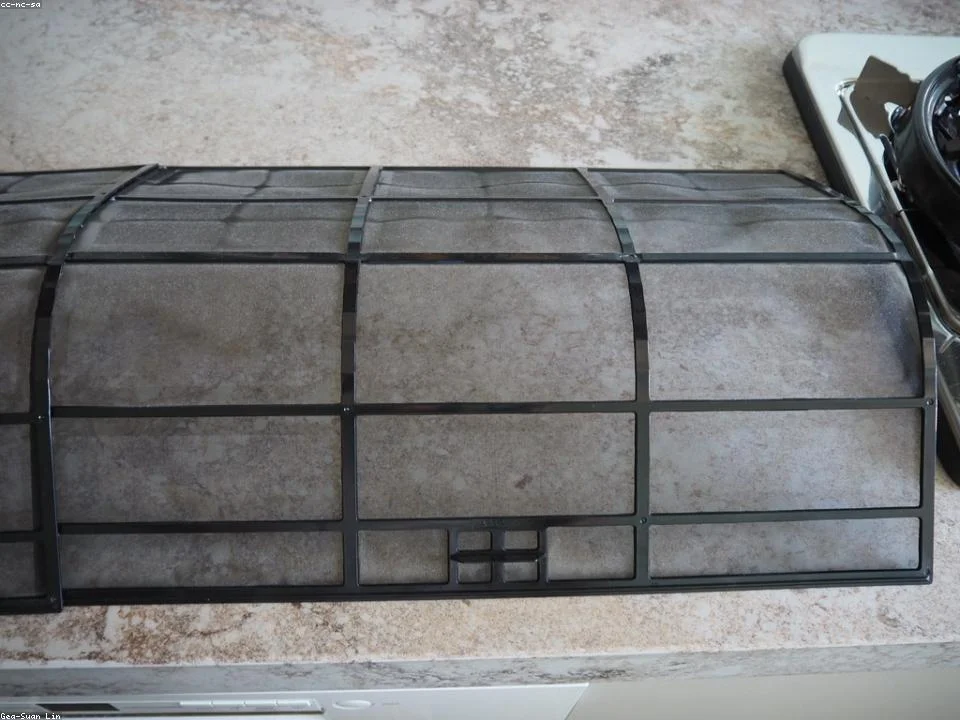
A filter’s job is to catch dust before it reaches the blower and the evaporator coil. As it loads, it becomes a restriction, and everything downstream pays for it. The blower motor works harder against the resistance and runs hotter. Airflow across the evaporator coil drops, so the coil gets colder than designed and can fall below freezing, forming ice that blocks airflow even more. A frozen coil is one of the most common summer no-cooling calls, and the root cause is often a filter that cost a few dollars. Dust that slips past a collapsed or ill-fitting filter settles on the coil and acts as insulation, reducing heat transfer and raising energy use month after month. Cleaning a fouled coil costs far more than many years of filters.
A restricted filter also reduces the air delivered to your rooms. You may notice weaker airflow from vents, rooms that do not reach the set temperature, longer run times and higher bills. These effects build gradually, so many homeowners adapt without realizing how much performance they have lost.
Why Does Dallas–Fort Worth Need More Frequent Changes?
Long cooling season
Our systems run the blower thousands of hours a year, so filters see more air than in milder climates.
Pollen
Cedar pollen in winter and tree, grass and ragweed pollen at other times of year load filters quickly.
Dust and construction
Dry soil, wind and ongoing construction in growing suburbs add particulates.
Pets and household
Pet hair, dander, carpets and cooking residue shorten filter life.
Attic and return placement
Filters in hot attics or high returns are easy to forget.
Heavy use in summer
When systems run almost continuously, a ninety-day filter may need changing in about half that time.
Inspect your filter monthly during heavy use. If you can see through it poorly or it looks gray and matted, replace it.
Need it handled today? Call +1 (614) 756-0643 · book online by email
How Do You Choose the Right Filter?
Filters are rated by a MERV number, which describes how well they capture particles of different sizes. A higher MERV captures smaller particles, but also creates more resistance to airflow. A very high-rated filter installed in a system not designed for it can restrict airflow as badly as a dirty filter. The right filter balances filtration and airflow, and the balance depends on your system’s capacity to move air, which technicians measure as static pressure.
| Filter type | Typical use | Notes |
|---|---|---|
| Pleated, MERV 8 to 11 | Most homes | Good capture of dust and pollen without choking typical blowers |
| Pleated, MERV 11 to 13 | Allergy and asthma households, where the system allows | Confirm that static pressure and the blower can handle it |
| Media cabinet filter, 4 to 5 inches | Homes wanting high filtration with low restriction | Larger surface area, often changed every six months or so |
| Basic fiberglass panel | Protects the equipment only | Captures little dust and offers minimal air quality benefit |
| Washable electrostatic | Sometimes marketed as permanent | Often lower filtration, and cleaning is frequently neglected |
If anyone in your home has allergies or asthma, talk with us. Often the best answer combines the right filter with fixes to duct leaks and sealing; see indoor air quality and duct services.
How Do You Find the Right Size and Replace It?
- Turn the system off at the thermostat.
- Locate the filter. It is typically in a return air grille on a wall or ceiling, at the air handler or furnace cabinet or in a filter slot in the attic or closet. Many homes have more than one.
- Read the size on the frame. It is printed on the edge, such as 16x25x1. The nominal size may differ slightly from the actual size.
- Note the airflow arrow. The arrow on the filter frame must point toward the blower, in the direction of airflow.
- Remove the old filter carefully so dust does not scatter, and place it in a bag.
- Insert the new filter, making sure it fits snugly with no gaps around the edges.
- Write the date on the frame, and set a reminder for the next change.
- Restart the system.
If your filter is in an attic, check the access, lighting and heat before you go up, and do not step off joists. Many homeowners prefer that we handle these.
What Is Our Filter Program?
The most common reason filters get neglected is not that people choose the wrong one. It is that they forget. A filter program solves the human part. We record every filter size and location in your home, including attic and high-return filters that nobody enjoys reaching, supply the right filters at the right interval and swap them during scheduled visits. Bundled with seasonal maintenance, it is simple preventive care. For rentals, for older family members’ homes and for busy households, it turns a schedule that exists on paper into one that actually happens. Ask us about setting one up when you request service.
Need it handled today? Call +1 (614) 756-0643 · book online by email
Common Filter Mistakes
- Installing the filter backward. Reduces effectiveness. Follow the arrow.
- Using the wrong size. A filter that is slightly small lets air bypass the media, carrying dust to the coil.
- Buying the highest-rated filter without checking the system. It can strangle airflow.
- Changing only one of several filters. Many homes have more than one return.
- Running the system without a filter to improve airflow. Dust fouls the coil and blower.
- Stacking filters. Two filters in one slot multiply restriction.
- Forgetting after a dusty event. Renovations, wildfire smoke or a new pet call for earlier changes.
- Ignoring gaps around the frame. Seal or replace a poorly fitting rack.
Understanding Static Pressure: The Number Behind the Right Filter
Static pressure is the resistance your system’s air path presents to the blower, measured in inches of water column. Think of it as blood pressure for your ductwork. Every component adds resistance: the filter, the coil, the ducts, the grilles and registers. Each blower and system is designed to operate within a range. When total resistance exceeds that range, airflow drops, the blower works harder, noise increases and the evaporator coil is more likely to freeze.
A technician measures static pressure with a simple gauge at the supply and return sides of the air handler. The result tells whether the system is breathing freely. If pressure is high, the cause may be a dirty or overly restrictive filter, a fouled coil, undersized ducts or a closed damper. If a customer wants a higher-rated filter, we can measure the pressure drop it causes before deciding whether it is safe for the system. For homes where the existing return is too small for the filter you want, a larger media cabinet or an additional return often solves the problem, giving high filtration with lower restriction.
Special Situations That Call for Extra Filter Attention
- Home renovation or construction. Drywall dust can overwhelm a filter in days. Replace it often, and keep the system covered or off where practical during heavy dust work.
- Wildfire smoke or high-pollen days. Check the filter more often, and consider a higher-rated filter if your system allows.
- New pets or shedding season. Hair and dander load filters quickly.
- Moving into a home. Replace the filter at move-in, since you do not know its history.
- Vacant properties and rentals. Replace between tenants and set a routine during occupancy.
- Homes with smokers or heavy cooking. Residue and particulates shorten filter life.
- Second homes. Replace at the start of each season of use.
Need it handled today? Call +1 (614) 756-0643 · book online by email
What Else Should Be Checked When You Change the Filter?
Filter changes are a convenient moment for a quick look at the system. While the cover is off, check a few things. Look at the return grille for dust buildup, which suggests the filter is not capturing well. Glance at the area around the air handler for water stains, which can signal a clogged drain. Listen for unusual noises when the system starts. Feel the airflow at a few vents and compare. Check that the thermostat is working and the batteries are fresh. Make sure the outdoor unit is clear of debris. If you notice anything unusual, such as ice, water, a burning smell or a persistently dirty filter within weeks, contact us. A short inspection may catch a small problem. See AC repair and maintenance for the full tune-up checklist.
Filters, Energy Bills and Air Quality
Changing your filter on schedule is one of the lowest-cost ways to protect the system and reduce operating costs. A clean filter lets the blower move air with less effort, and keeps the coil clean, so the system runs efficiently. It also supports better indoor air quality by capturing particles that would otherwise circulate. Filters are not a cure-all. They do not remove gases or odors, and they only catch particles that pass through the system. For comprehensive improvement, consider duct sealing, humidity control and, where suitable, additional air cleaning, discussed on our indoor air quality page. If your system struggles despite good filters, a diagnostic visit will tell why; see AC repair and maintenance.
Why Choose Plumber Service TX for Filter Service?
- Correct sizes and ratings for your system.
- Attic and hard-to-reach filters handled safely.
- A schedule you do not have to remember.
- Written flat-rate pricing approved before service.
- Licensed, insured, background-checked technicians who can also inspect the system while on site.
See heating and cooling services and thermostats, and find your local page: Fort Worth, Arlington, Frisco or Southlake.
AC Filter Replacement — Frequently Asked Questions
How often should I change my AC filter in Texas?
Check monthly during heavy use, and replace every one to three months for most homes. Pets, allergies, construction dust and heavy use call for more frequent changes.
What MERV rating should I use?
Most homes do well with a quality pleated filter in the MERV 8 to 11 range. Higher ratings can help allergy households, but only if the system can handle the added resistance.
Can a dirty filter make my AC stop cooling?
Yes. It restricts airflow and can cause the evaporator coil to freeze, which stops cooling and can cause water leaks when it thaws.
Is a more expensive filter better?
Not always. The best filter is the one that fits properly, filters effectively and does not overly restrict airflow in your system.
What size filter do I need?
The size is printed on the edge of your current filter, for example 16x25x1. If you cannot read it, measure the slot or send us a photo.
Which way does the filter go?
The arrow on the frame should point in the direction of airflow, toward the blower or furnace, away from the return grille.
Can I run my AC without a filter?
No. Running without a filter lets dust into the blower and onto the coil, which reduces efficiency and can cause damage.
Do washable filters work well?
Many washable filters capture less than quality pleated filters, and they only work if they are cleaned regularly. Many homeowners are better served by disposable pleated filters.
Can you change filters in my attic?
Yes. We replace attic and hard-to-reach filters as a stand-alone visit or as part of seasonal maintenance.
Do filters help with allergies?
They help by capturing airborne particles, but they are one part of a larger approach that includes duct sealing, humidity control and housekeeping.
Need ac filter replacement in DFW today?
Email service@plumberservicetx.com and our dispatch team will confirm your same-day or next-day appointment window.